
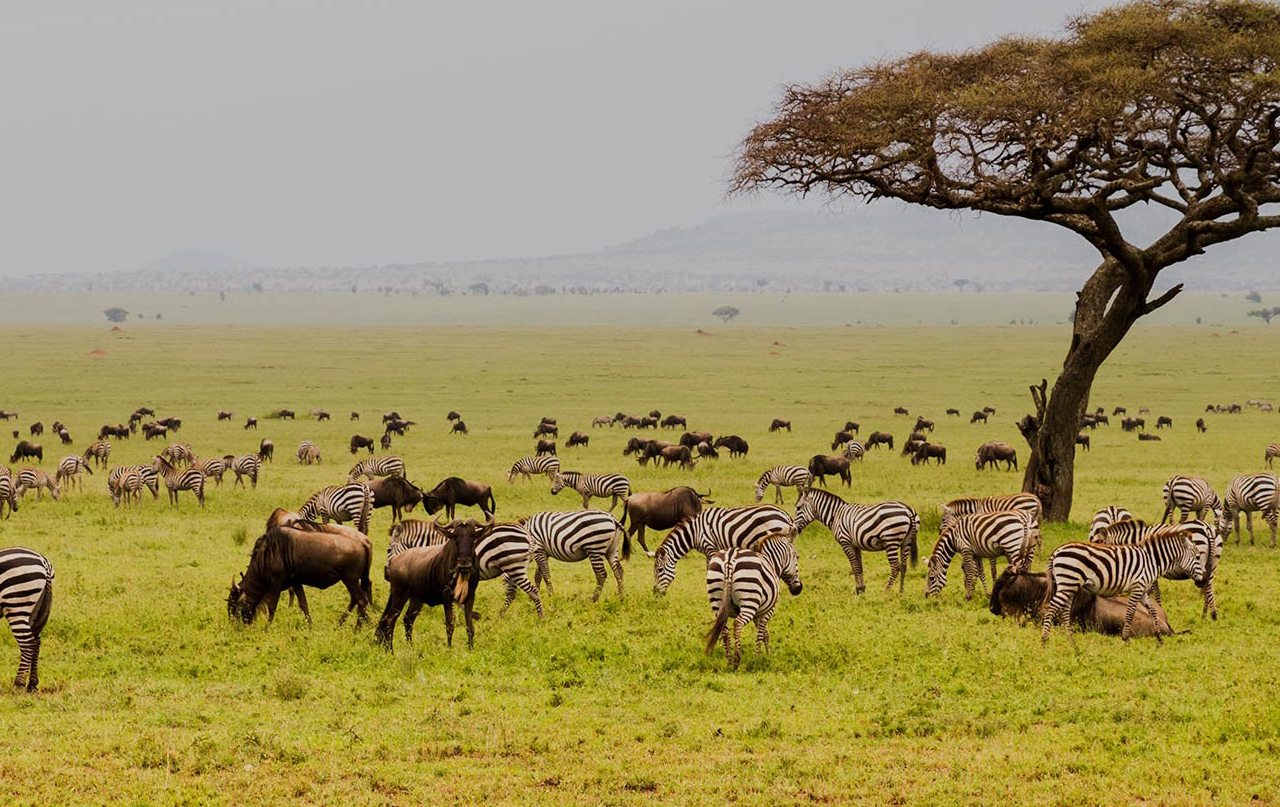
Photography changes the way a safari should be designed. The priority becomes light, position, patience and vehicle flexibility rather than simply seeing the largest number of parks.
Private vehicle A private vehicle allows the guide to position around a subject without negotiating with passengers who have different priorities. It also provides more room for camera bodies, long lenses and beanbags. For serious photographers, this is usually the most important planning decision.
Best regions Central Serengeti offers year-round big-cat possibilities. Ndutu is excellent in the green season for open backgrounds, newborn animals and predator activity. Northern Serengeti adds migration drama from roughly July through October. Tarangire creates completely different imagery with elephants, baobabs, dust and warm dry-season light.
Time at sightings Photography improves when the schedule is not overloaded. Three or four nights in one Serengeti region is often more productive than changing camps every night. Repeated visits to the same pride, leopard territory or cheetah area allow better understanding of behavior and light.
Gear and flights Light aircraft have luggage restrictions that matter for photographers. Soft bags, battery charging, dust protection, lens support and backup storage should be discussed before final booking. If camera equipment is extensive, road transfer or an extra luggage seat may be more practical on some sectors.
Planning a Northern Tanzania safari?
Send your dates, group size and preferred safari style for a route built around the season and your priorities.
Plan Your Safari