
Northern Tanzania Safari Destinations
Eight safari regions, each with a different season, habitat and reason to stay longer.
Arusha
Arusha is the practical starting point for most Northern Tanzania safaris. The city sits between Kilimanjaro International Airport and the safari circuit, making it the natural place for arrival nights, private safari briefings, vehicle preparation and a relaxed first or final evening before flying home.
Explore destination →
Tarangire National Park
Tarangire is the elephant-and-baobab park of the Northern Circuit, a broad landscape of river valley, woodland, seasonal marshes and open country. It is especially rewarding in the dry season, when wildlife concentrates around permanent water, but its birdlife and quieter corners make it valuable at other times of year as well.
Explore destination →
Lake Manyara National Park
Lake Manyara is a compact Rift Valley park with groundwater forest, acacia woodland, lake-edge habitat and strong birdlife. It fits naturally between Arusha, Tarangire and the Ngorongoro highlands, and is particularly useful for travelers who want habitat variety rather than another long day on open plains.
Explore destination →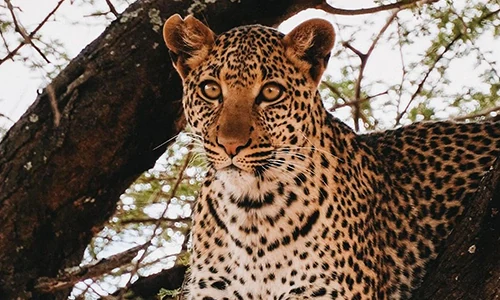
Ngorongoro Crater & Highlands
Ngorongoro combines one of Africa’s most famous crater-floor game drives with a cool, elevated landscape of forest, farmland and volcanic highlands. The crater is compact compared with the Serengeti, but wildlife density and dramatic scenery make it one of the essential Northern Circuit experiences.
Explore destination →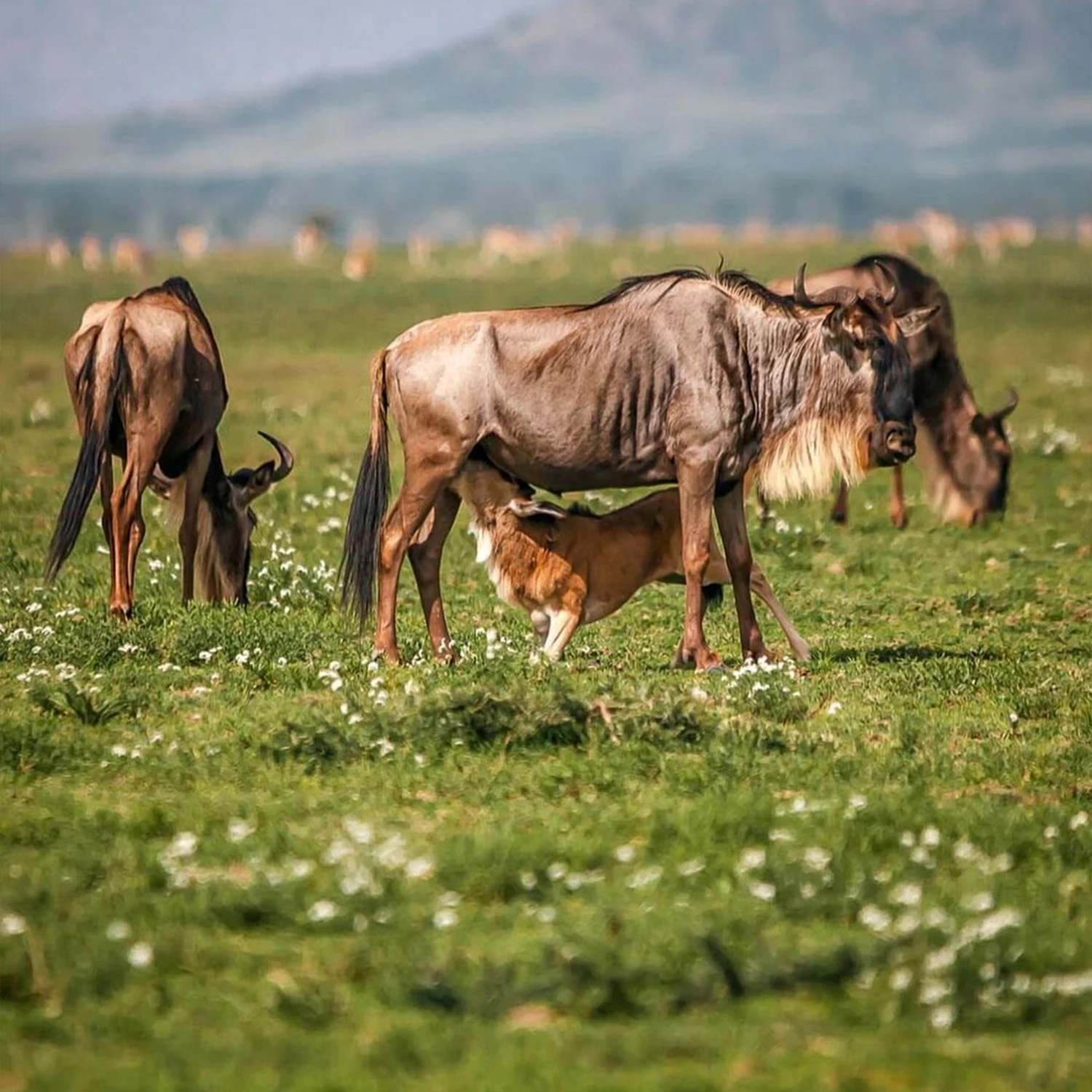
Ndutu & Southern Serengeti
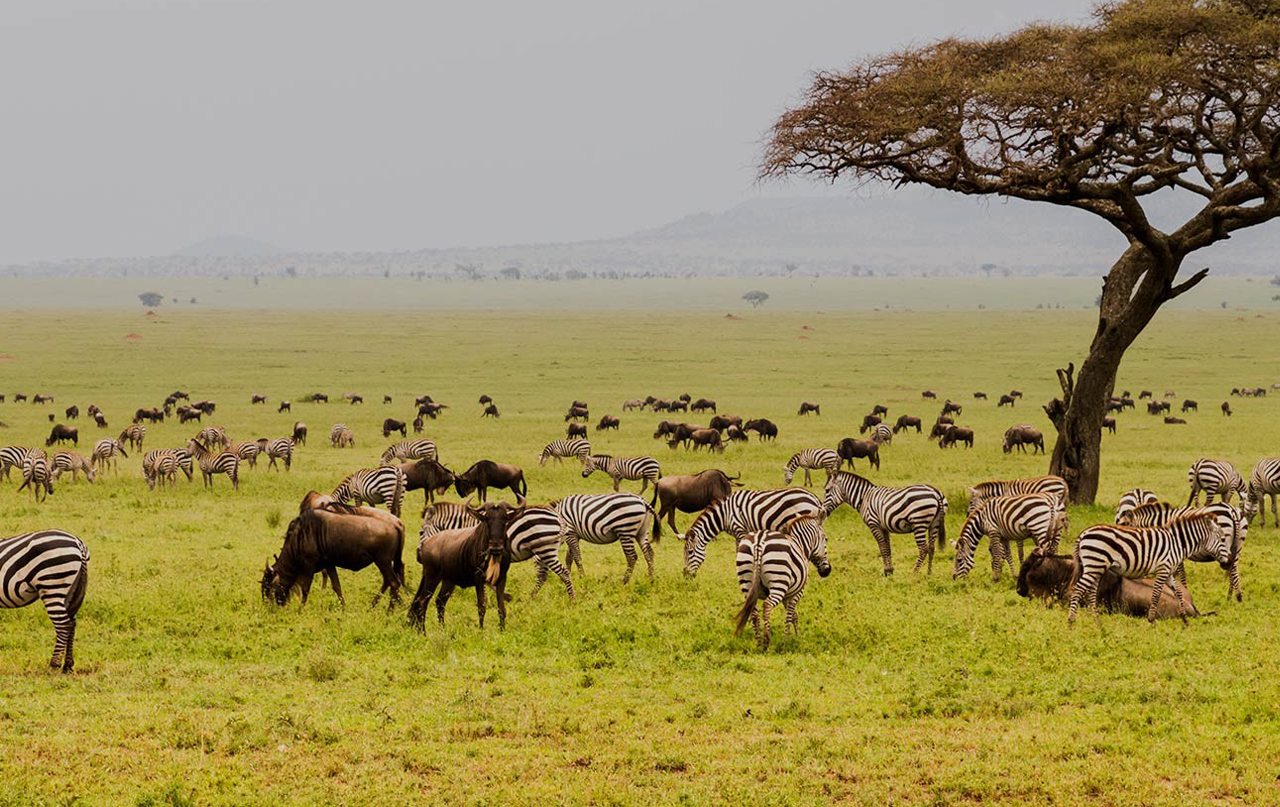
Ndutu sits across the southern Serengeti and Ngorongoro Conservation Area ecosystem and becomes one of Tanzania’s most important seasonal safari zones during the green months. From roughly December to March, short-grass plains can hold large concentrations of wildebeest, zebra and predators during the calving period.
Explore destination →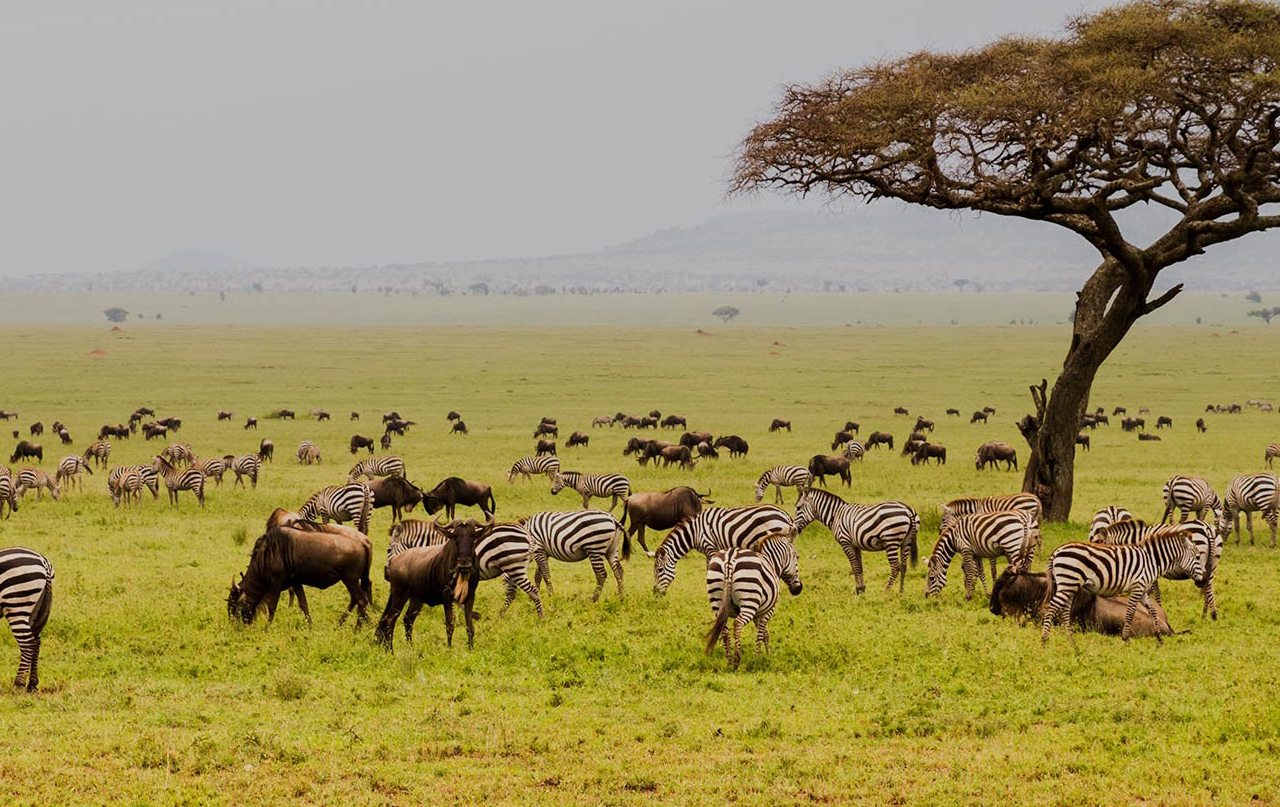
Central Serengeti
Central Serengeti, particularly the Seronera region, is the year-round wildlife heart of the park. River valleys, kopjes and open plains support resident prey and predators through all seasons, making the area one of the most dependable components of a Northern Tanzania safari.
Explore destination →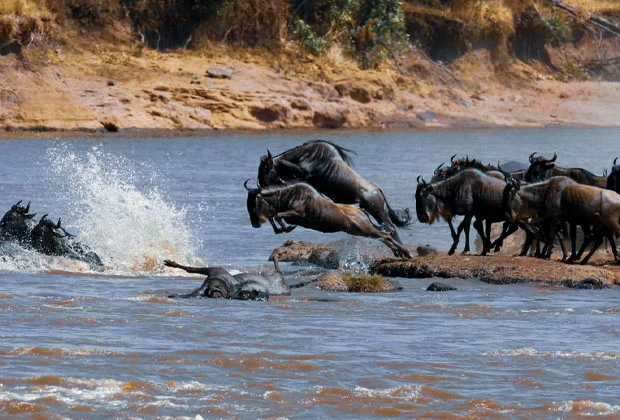
Northern Serengeti & Mara River
Northern Serengeti is a broad, less densely developed landscape of rolling hills, woodland, grassland and river systems near the Kenya border. From roughly July through October it becomes a major focus for Great Migration safaris because herds may move through the Kogatende and Mara River region.
Explore destination →Western Serengeti & Grumeti
The western corridor stretches toward the Grumeti River and private reserves beyond the national park. It is associated with migration movement in the middle of the year and offers riverine woodland, rolling grassland and a different character from central or northern Serengeti.
Explore destination →