
The Great Migration should be understood as a continuous movement through a large ecosystem, not a single event with a fixed date. Rainfall, grazing and herd behavior change the exact pattern every year.
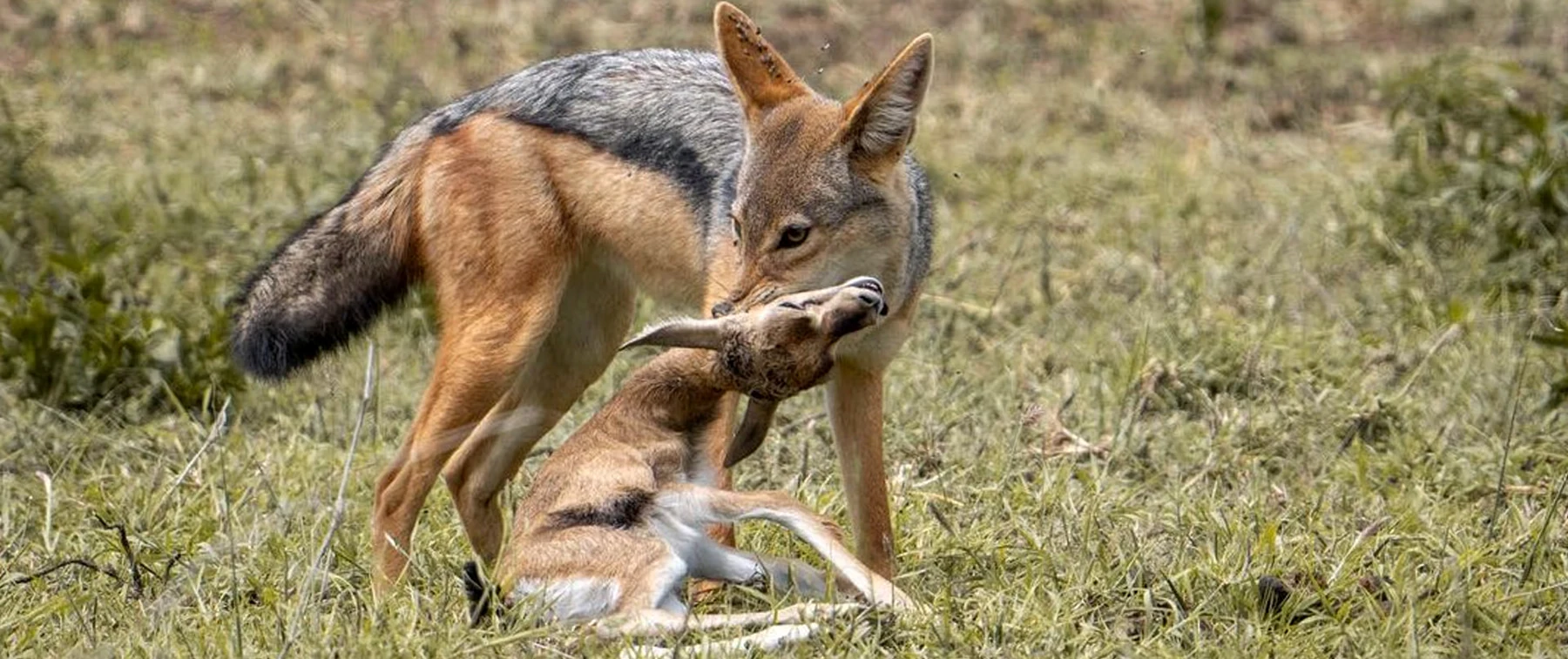
December to March The southern Serengeti and Ndutu region are the main focus. Short-grass plains support huge herd concentrations and the calving period. Predator activity can be intense, and green-season light is especially attractive for photography.
April to June As conditions change, herds begin moving through central and western parts of the Serengeti. The western corridor and Grumeti area can become increasingly important. Rain can affect road conditions but also produces dramatic skies and fresh landscapes.
July to October The northern Serengeti and Mara River region become the headline destination. River crossings can happen at different points and at unpredictable times. No reliable operator should promise a crossing on a specific day.
November Short rains encourage movement back south through the Serengeti. The exact route varies. This can be an excellent month for lower visitor density in some areas and the return of fresh green landscapes.
Planning principle Match the region to the month and then allow enough nights. For river season, three or four nights in Northern Serengeti is much more realistic than one rushed night. For calving season, several nights in Ndutu create time to follow changing herd concentrations.
Planning a Northern Tanzania safari?
Send your dates, group size and preferred safari style for a route built around the season and your priorities.
Plan Your Safari